The IRS expanded Tax Pro Account on November 6, 2026 so authorized tax professionals can make certain payments for business clients. Learn the five payment types, authorization rules, payroll tax deadlines, and what business owners should check first.
Behind on tax returns? Learn how IRS substitute returns work, why filing matters even if you cannot pay, and practical steps to address notices and collection.
An Offer in Compromise can settle eligible IRS tax debt for less than the full amount, but acceptance depends on financial facts and required tax compliance.
A wage levy or bank levy can be urgent. Understand what a levy does, when release may be possible, and what information the IRS needs.
Currently Not Collectible status can temporarily pause IRS collection for eligible taxpayers in financial hardship, but it does not cancel the tax bill.
Can’t pay an IRS balance in full? Learn how payment plans work, what to prepare, and why agreeing to an unaffordable monthly amount can create more problems.
The IRS Automatic Exemption from Penalty program can prevent certain penalties for eligible taxpayers. Learn its requirements, limits and alternatives.
The IRS launched a new mobile app September 25, 2026. Learn how to view balances, notices and transcripts—and what these records cannot tell you.
The IRS now offers online Offer in Compromise filing for individuals. Learn who may qualify, the fees, and why financial analysis still matters.
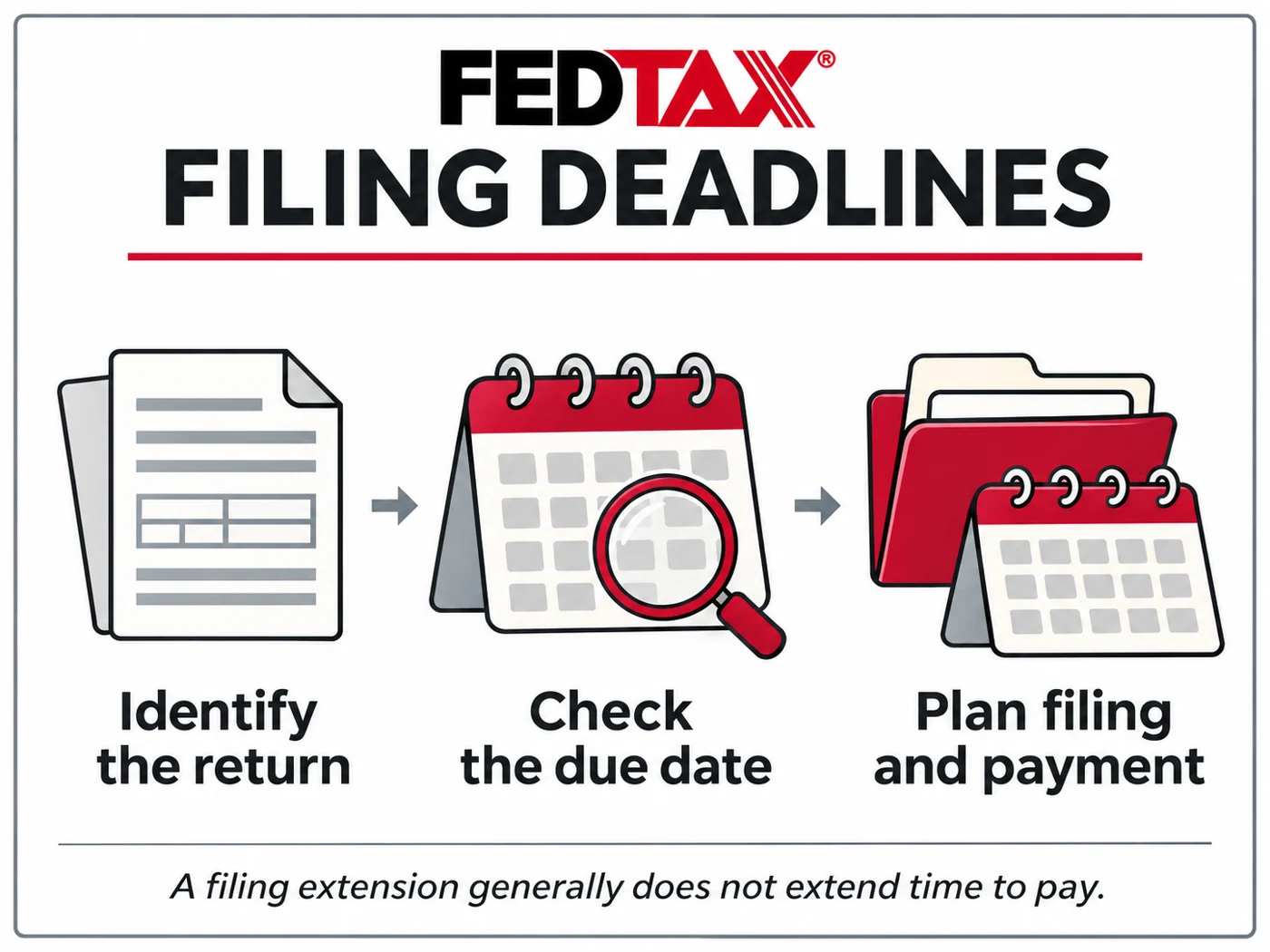
Updated October 31, 2026: The standard October 15, 2026 extension deadline for 2025 individual returns has passed. Some taxpayers may have different deadlines because of disaster relief or other special rules. If your return is still unfiled, review your applicable deadline and next steps now.…