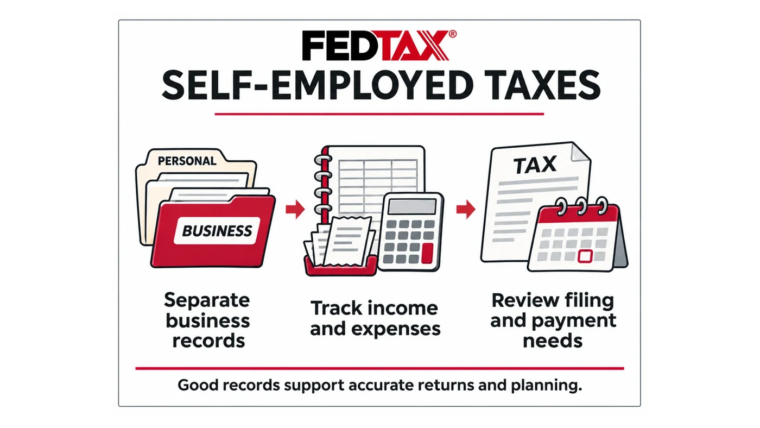
A useful tax review starts with your records and the rules for the year you are filing. A change in income, family circumstances, or business activity can make last year’s approach worth revisiting. It does not automatically mean you have overpaid or qualify for a new deduction.
Start with the right tax year
Separate a past-due return from planning for the current year. Bring prior returns, IRS or state notices, income documents, and payment records. Tell your preparer which returns have already been filed and which are still outstanding. Rules and deadlines can differ by year and situation.
Check what your refund actually means
A large refund is not proof that you filed incorrectly. A refund can reflect tax payments exceeding your liability, and eligible refundable credits can also produce a refund. Review what caused the result before deciding whether to change your withholding.
If you receive wages or a pension with federal withholding, the IRS Tax Withholding Estimator can help you review your withholding. Use accurate information and review the tool’s limitations, especially if your circumstances are complex. Changing withholding changes payments during the year; it does not by itself reduce your underlying tax liability.
Ask specific questions about deductions and credits
Ask which provisions apply to your tax year, what eligibility requirements you must meet, and which records support your claim. A headline about a tax-law change is not enough to establish eligibility. Review business and personal expenses separately and explain any unusual transactions to your preparer.
Separate filing from payment
An ordinary extension to file an individual federal return does not extend the time to pay. If you have missed a deadline or cannot pay in full, discuss your filing obligations and payment options rather than assuming a filing extension solves both problems. Special circumstances can affect deadlines.
Bring a practical checklist to your consultation
- Prior federal and state returns and a list of any unfiled years.
- Current income documents and recent pay statements.
- Business income and expense records, if applicable.
- IRS and state notices, including every page and the response deadline.
- Records of withholding, estimated payments, and other tax payments.
- Questions about changes in income, dependents, work, or business structure.
Discuss your next step with FEDTAX®
FEDTAX® serves individuals and businesses nationwide. Explore individual tax preparation, business tax preparation, or help with unfiled returns. If you received a notice, start with our IRS notice help.
Request a consultation to discuss your situation, the records needed, and the appropriate service scope. Eligibility and outcomes depend on your facts; a consultation does not guarantee tax savings or relief.